




Efficacy and Safety of Apitegromab in Nonambulatory Type 2 or 3 Spinal Muscular Atrophy (SAPPHIRE): A Phase 3, Double-Blind, Randomized, Placebo-Controlled Trial1

Apitegromab is an investigational product that has not been approved or been determined to be safe and effective by the FDA or any other health regulatory authority. Providing this information does not constitute any recommendation for use.

August 2025

Spinal muscular atrophy (SMA) is a rare genetic neuromuscular disorder

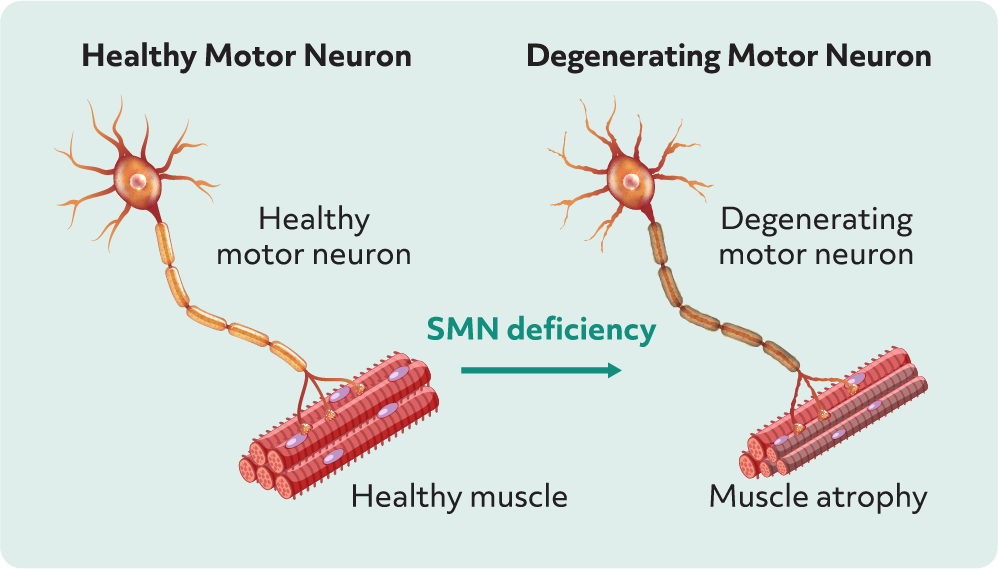
SMA is characterized pathologically by motor neuron degeneration in the spinal cord and clinically by progressive skeletal muscle weakness and atrophy2

SMA Pathology
  • Icon 1 SMA is caused by deletions/mutations of the survival motor neuron 1 (SMN1) gene, resulting in deficient expression of survival motor neuron (SMN) protein2
  • Icon 2 Enhancing SMN expression by targeted therapies has improved clinical outcomes by slowing disease progression3-5
  • Icon 3 However, SMN-targeted therapies do not directly address accompanying muscle atrophy

People receiving SMN-targeted therapies may continue to experience persistent motor function deficits of widely ranging severity

Extent of pretreatment neurodegeneration impacts outcomes with SMN-targeted therapy6-8:

  • Icon 1 Neurodegeneration occurring in utero
  • Icon 2 Delayed diagnosis
  • Icon 3 Delayed treatment initiation

Persistent functional deficits and loss of function over time

  • Icon 1 Mix of nonfunctioning denervated muscles and normally functioning innervated muscle fibers9
  • Icon 1 Even with SMN-targeted therapy, people with SMA can continue to experience motor function deficits over time10,11
  • Icon 1 People participating in recent or ongoing clinical trials have considerably lower baseline motor function than their healthy counterparts12

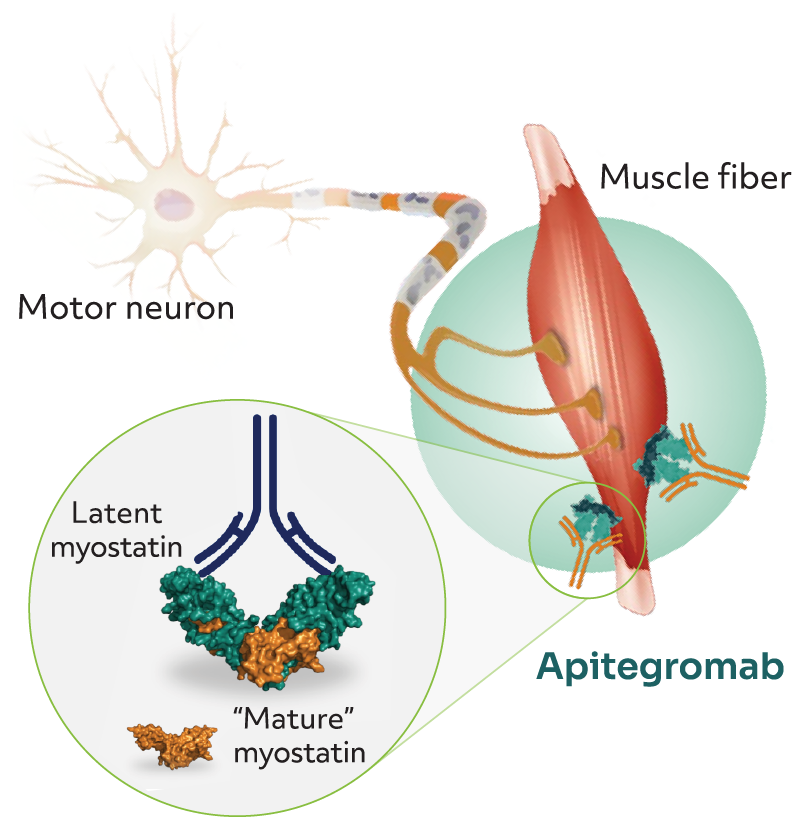
Apitegromab is a selective, muscle-targeted investigational therapy that is designed to inhibit myostatin before it becomes activea

MotorNeuron
  • Apitegromab is a fully human monoclonal antibody that binds to the inactive myostatin precursors promyostatin and latent myostatin13
  • It promotes increased muscle mass and strength by preventing cleavage and release of mature, active myostatin, a negative regulator of muscle mass13,14
  • Apitegromab differs from previous myostatin-targeting agents by selectively binding to structurally distinct myostatin precursors with high affinity and high specificity to potentially minimize undesirable effects of off-target inhibition of similar myostatin family members, such as growth differentiation factor13
aApitegromab mechanism of action is based on preclinical studies, effects in healthy animals, and in animal models of muscle atrophy.13

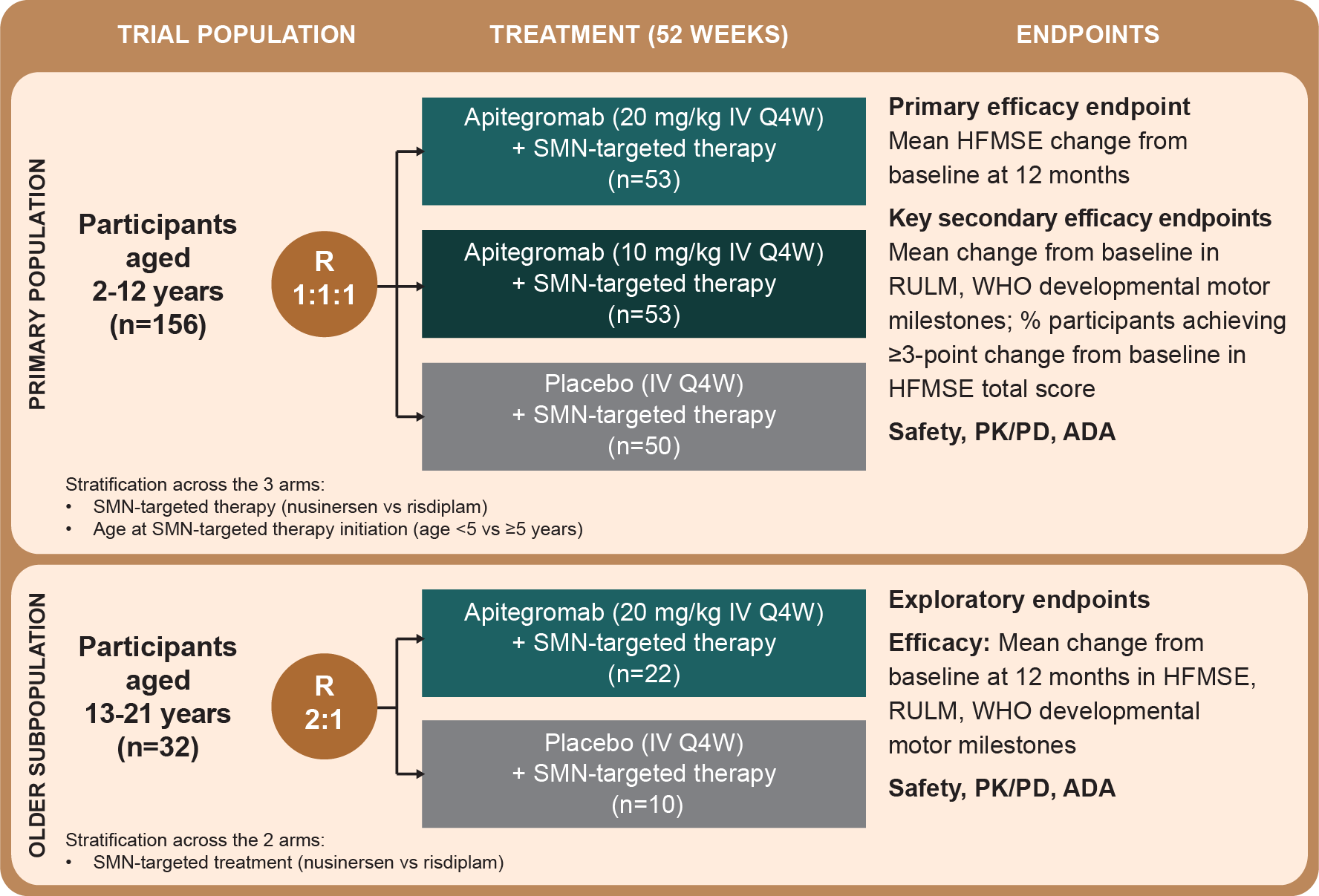
SAPPHIRE: a randomized, double-blind, placebo-controlled, phase 3 trial1

Participants were enrolled at
48 clinical sites in
9 countries across Europe and North America

Key eligibility criteria
  • Nonambulatory type 2 or 3 SMA
  • Receiving an approved SMN-targeted therapy (nusinersen or risdiplam)
  • Aged 2-21 years
  • HFMSE motor function score ≥10 and ≤45 at the screening visit

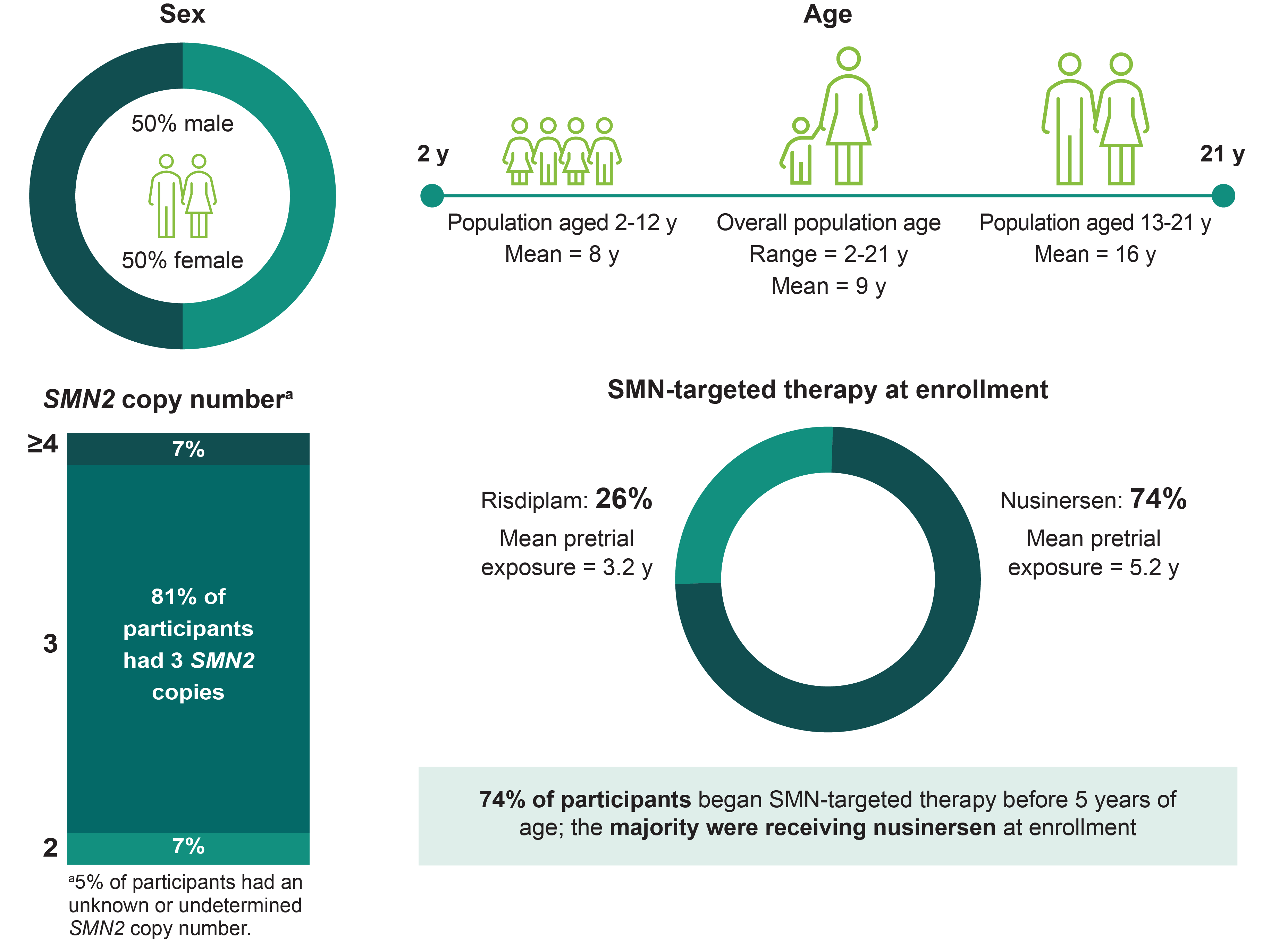
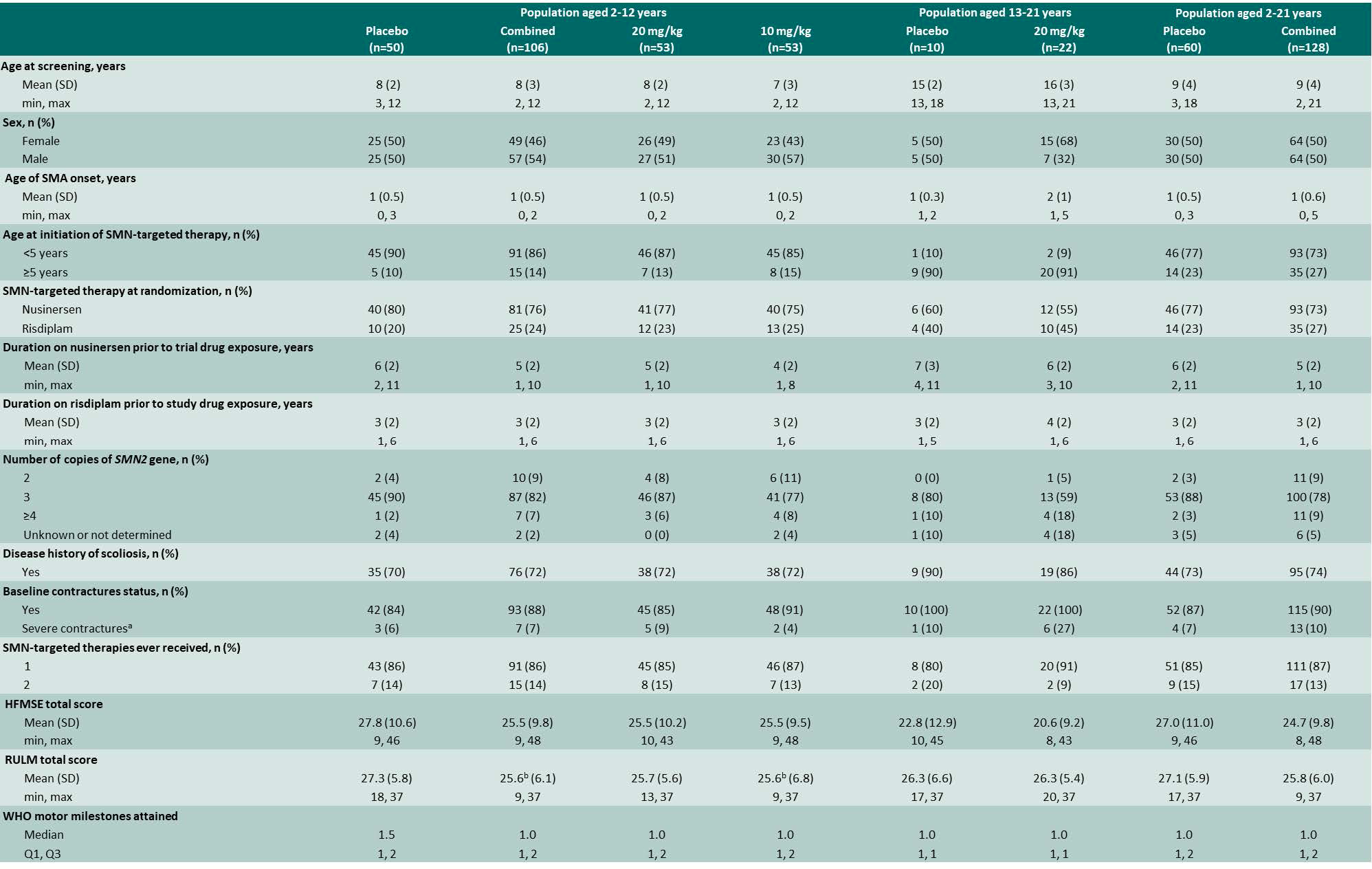
Participant baseline demographics and clinical characteristics1

button

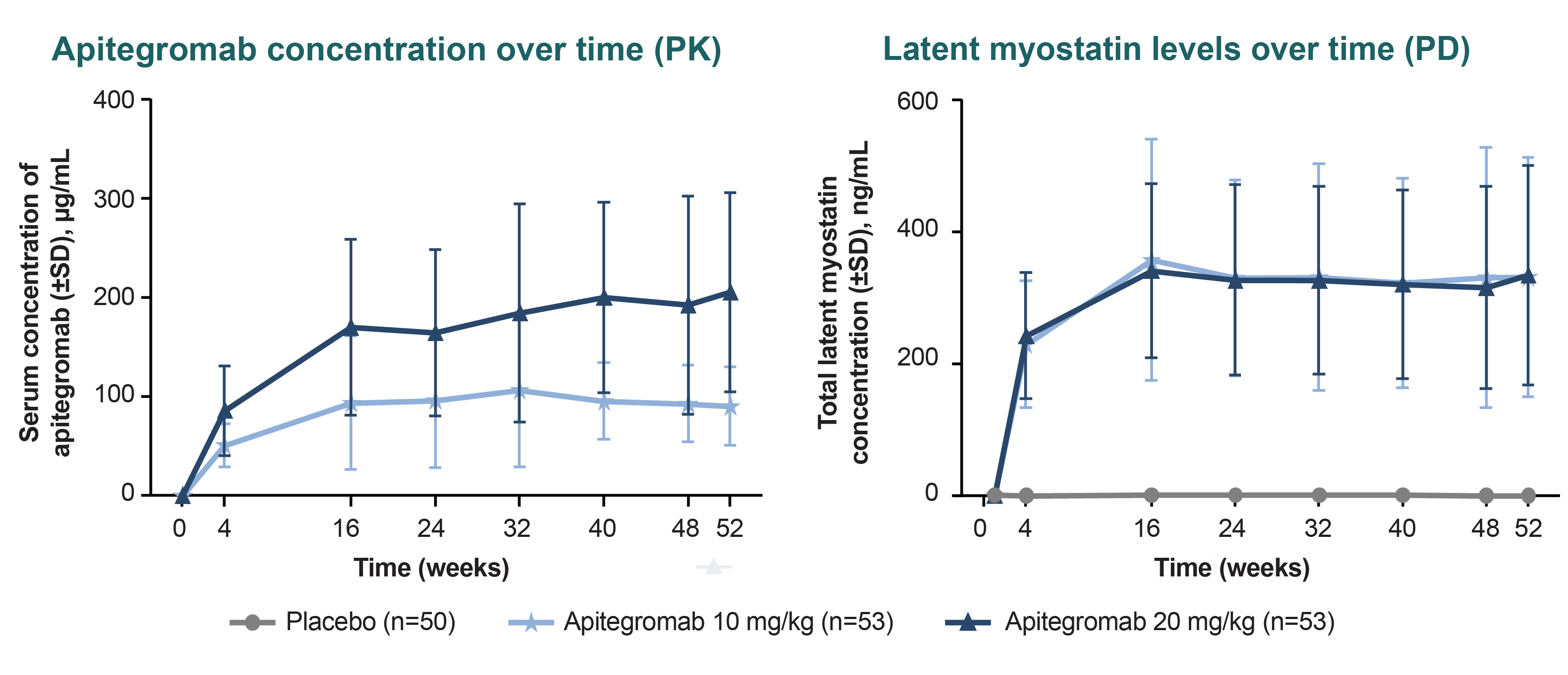
Apitegromab pharmacokinetics/pharmacodynamics1

PK data are shown as geometric mean (±SD) µg/mL, and PD data are shown as mean (±SD) ng/mL. Trough concentrations of apitegromab and total latent myostatin are depicted. PK samples from participants receiving placebo were not tested and therefore not included in PK assessments.

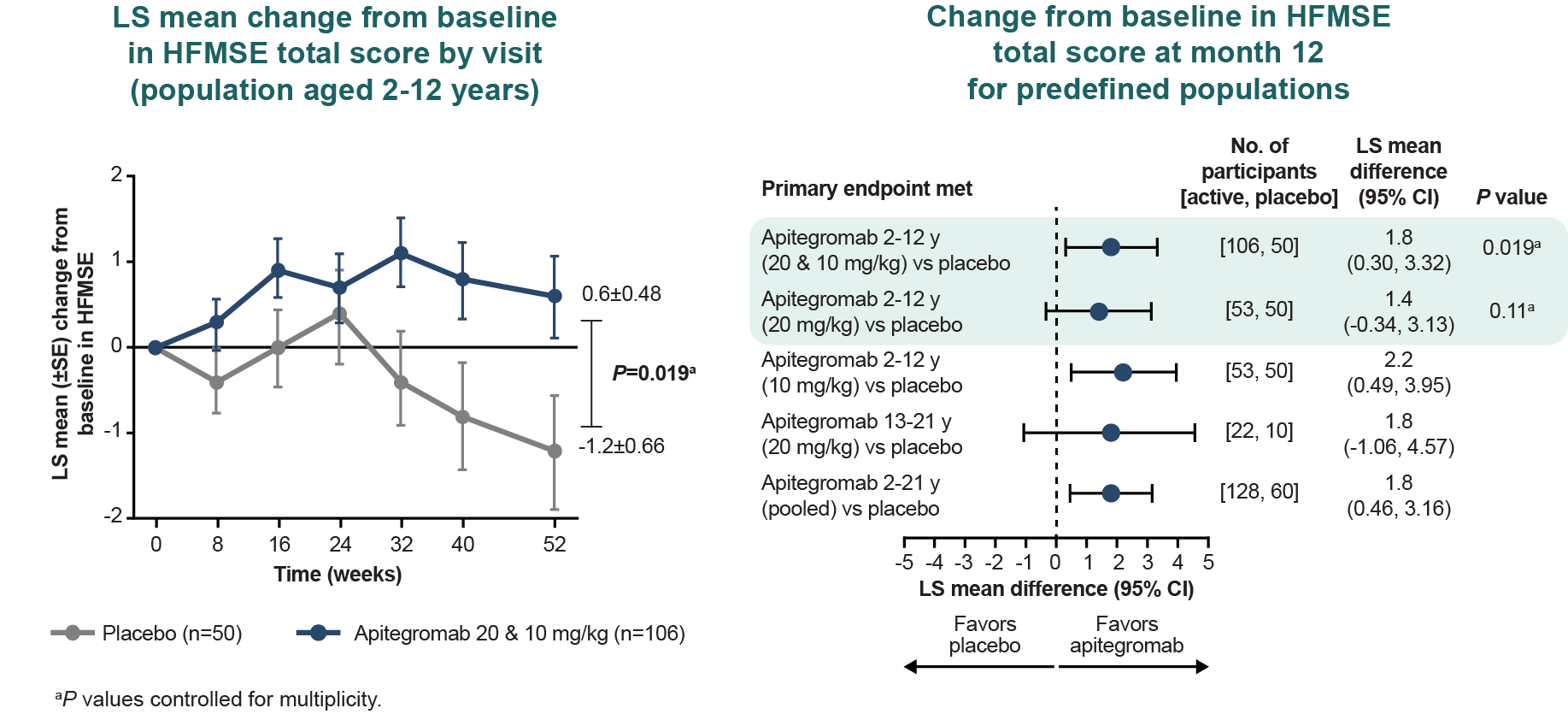
Motor function improvements1

button

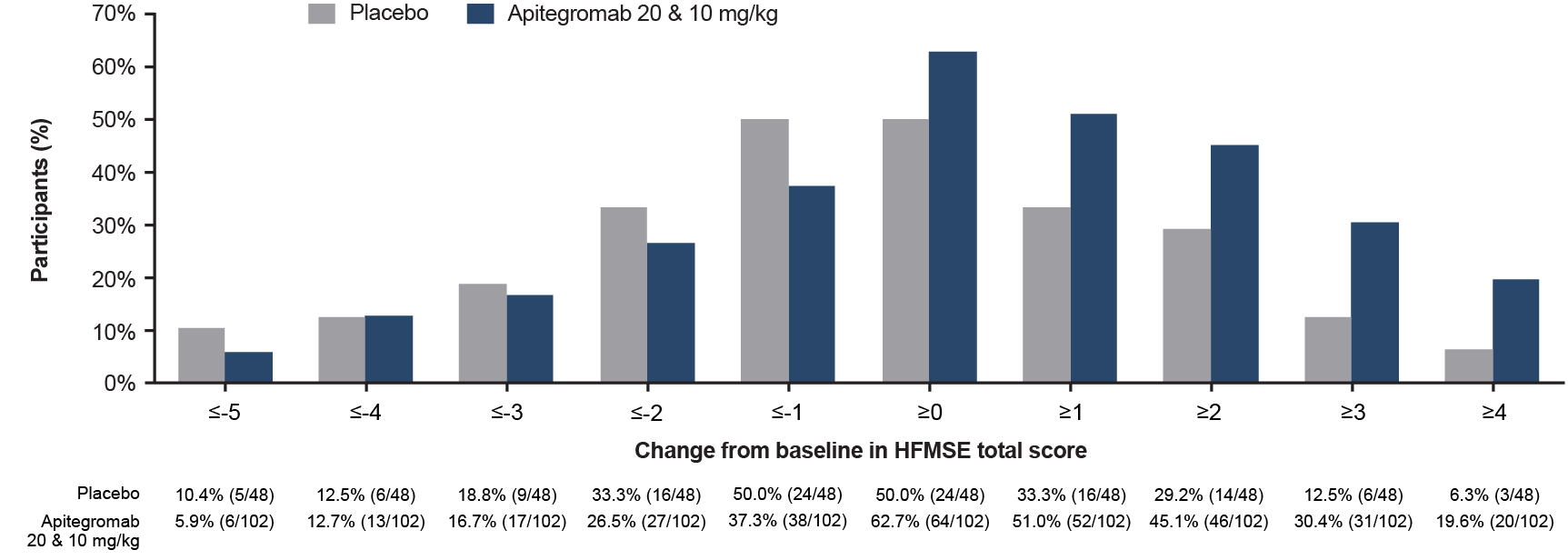
Proportion of participants achieving any point change from baseline in HFMSE total score at month 12 (population aged 2-12 years)

button

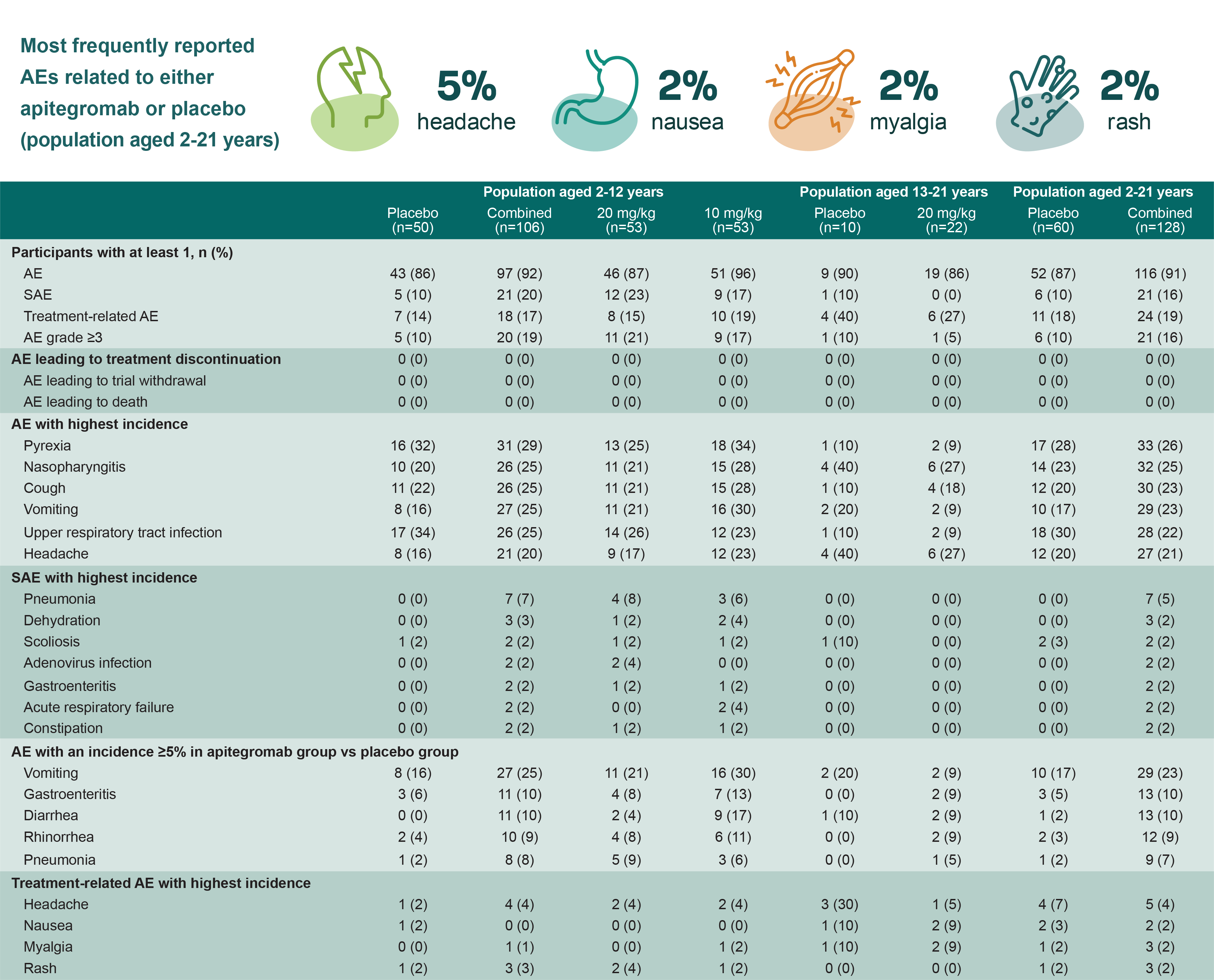
Safety1

button

Limitations and discussion1

A limitation of this study was that certain patient types were excluded, including those:

  • With severe contractures or scoliosis, as HFMSE outcome assessments can be confounded
  • Aged <2 years
  • With severe or mild weakness, to avoid known ceiling or floor effects on outcome assessments
  • Previously treated with onasemnogene abeparvovec-xioi

The effect size observed in participants on risdiplam was smaller relative to those on nusinersen in the population aged 2-12 years, possibly due to the small number of participants or that they were more likely to have 2 prior SMN-targeted therapies.

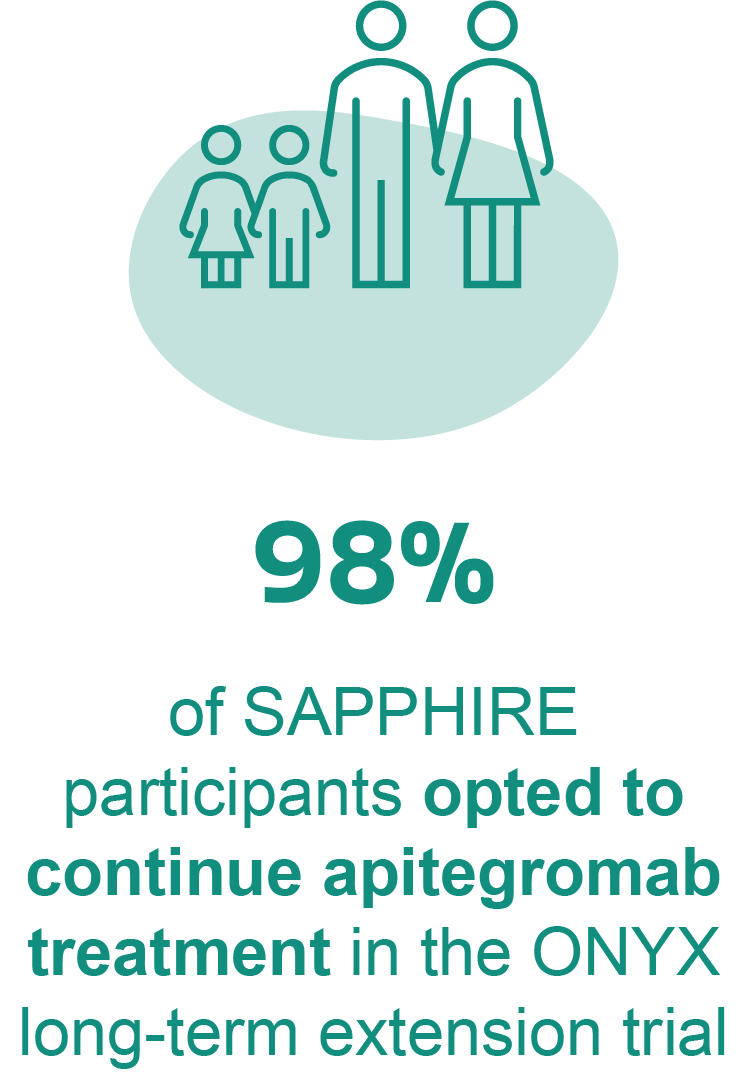
Long-term safety of apitegromab is primarily derived from the TOPAZ open-label extension, with additional data from both TOPAZ and SAPPHIRE participants enrolled in the ONYX long-term extension trial (NCT05626855).

Conclusions1

Results from SAPPHIRE represent the first time that a myostatin-targeting agent has demonstrated improved function in any disease in a placebo-controlled clinical setting

Efficacy

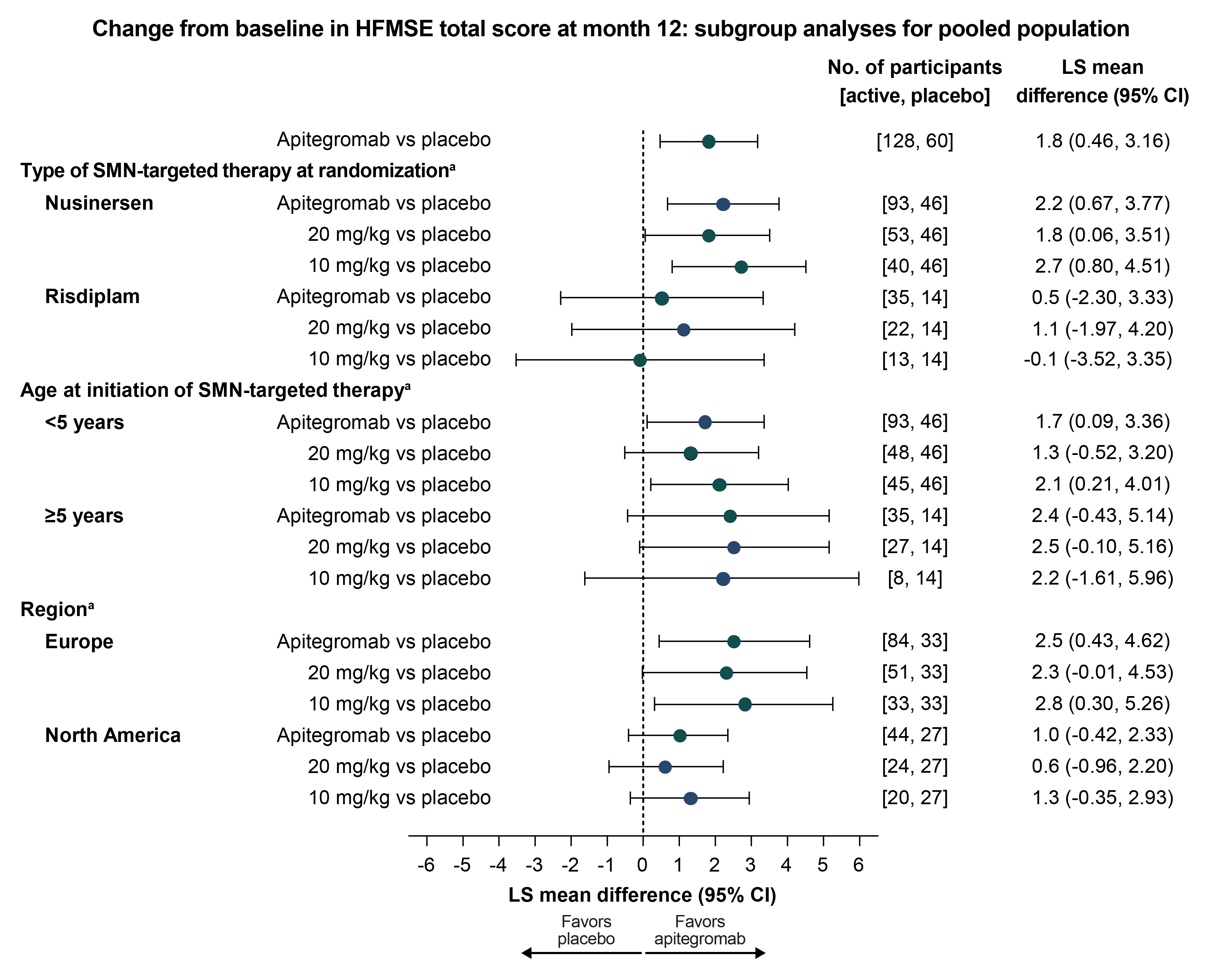
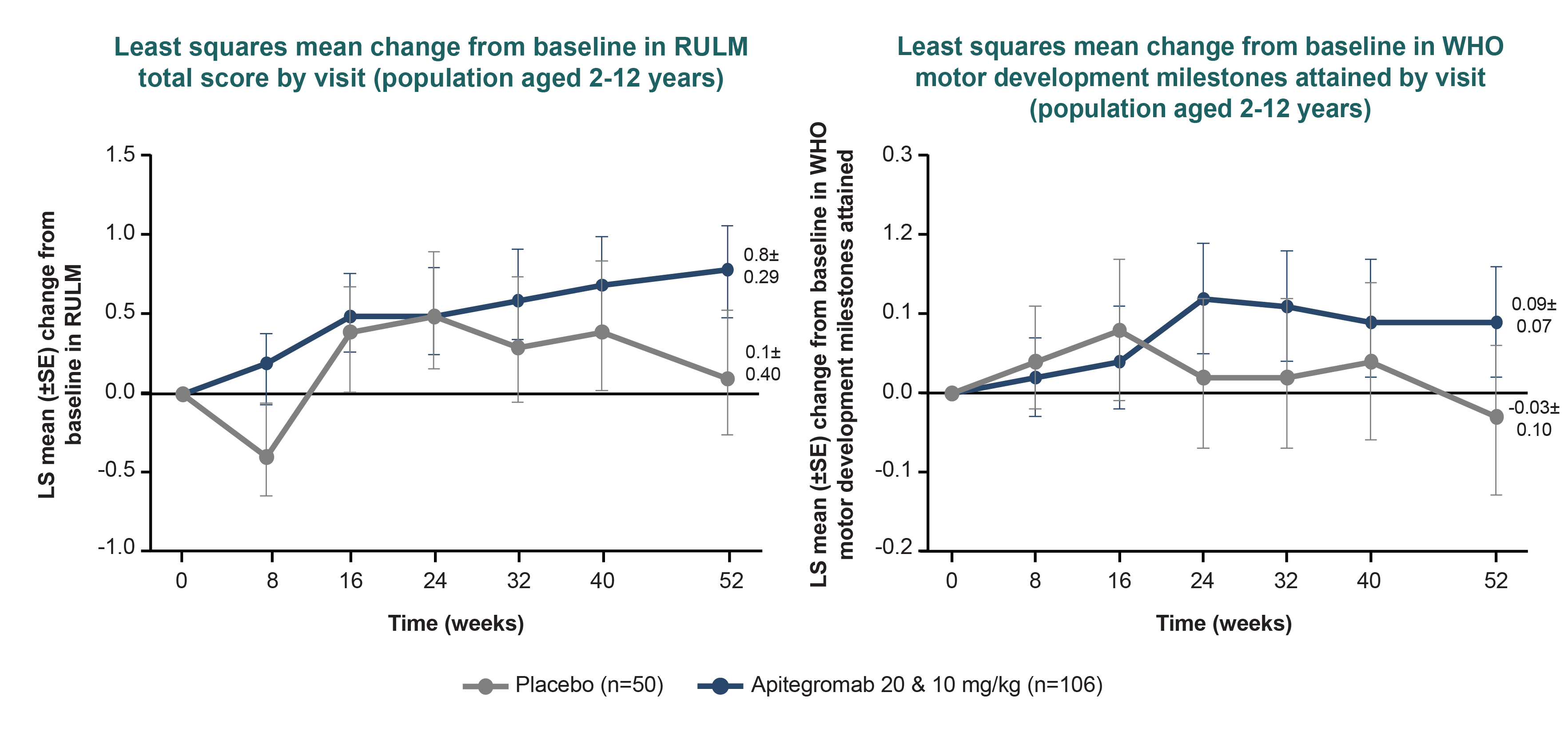
  • Motor function, as measured by HFMSE, improved in participants receiving apitegromab and decreased in those receiving placebo despite them being on SMN-targeted therapy
  • The difference of 1.8 point with apitegromab vs placebo for the population aged 2-12 years was statistically significant
  • The odds ratio of achieving a ≥3-point improvement was 3.0 (95% CI, 1.15 to 8.0) for participants treated with apitegromab vs those receiving SMN-targeted therapy alone
  • Efficacy results were generally consistent across dose, age, SMN-targeted therapy type, age of therapy initiation, and region

Safety

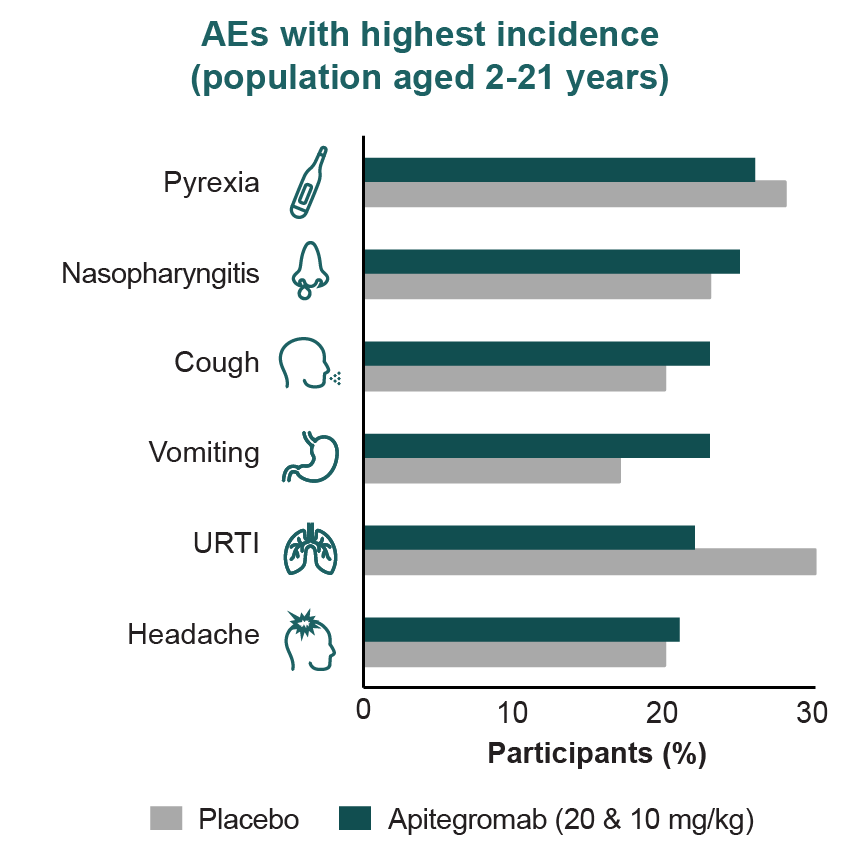
  • The safety profile of apitegromab was consistent with observations from the phase 2 TOPAZ trial12 and the underlying population with SMA receiving SMN-targeted therapy
  • No new safety concerns were identified
  • Moderate elevations of serum CK were observed
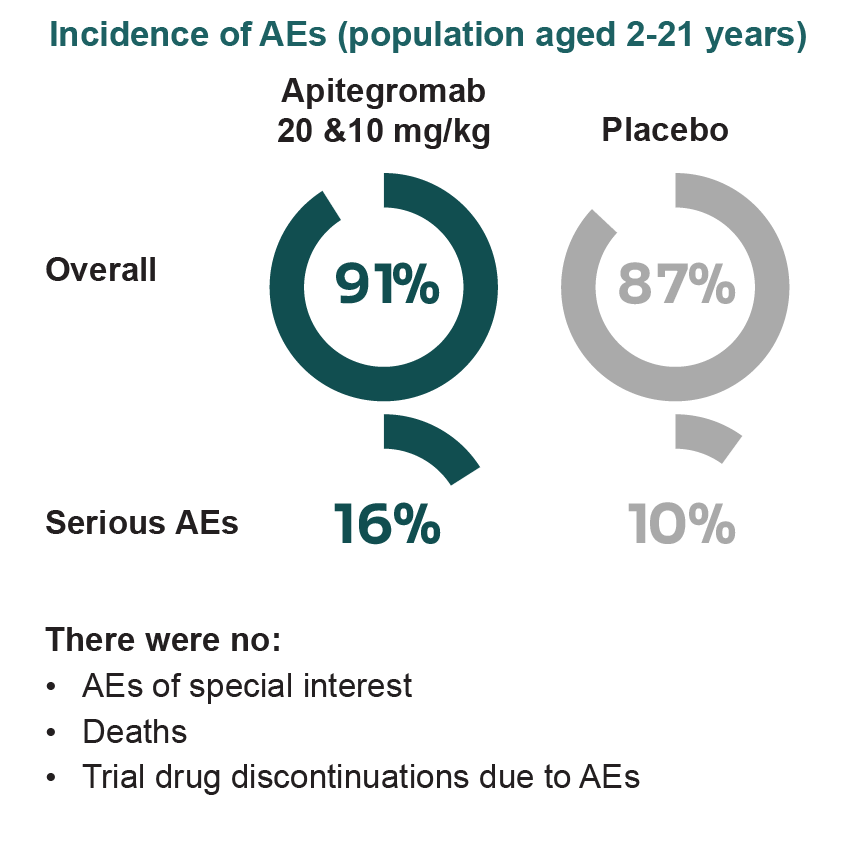
  • There were no deaths or trial-drug discontinuations due to AEs
  • Overall, apitegromab was well-tolerated in the SAPPHIRE trial population

Abbreviations

ADA, antidrug antibodies; AE, adverse event; CI, confidence interval; CK, creatine kinase; HFMSE, Hammersmith Functional Motor Scale-Expanded; IV, intravenous; LS, least squares; PD, pharmacodynamics; PK, pharmacokinetics; Q4W, every 4 weeks; RULM, Revised Upper Limb Module; SAE, serious adverse event; SD, standard deviation; SE, standard error; SMA, spinal muscular atrophy; SMN, survival motor neuron; URTI, upper respiratory tract infection; WHO, World Health Organization.